The Window’s Warmth: How Glass Changed Home Life—and How to Use Sunlit Corners Today
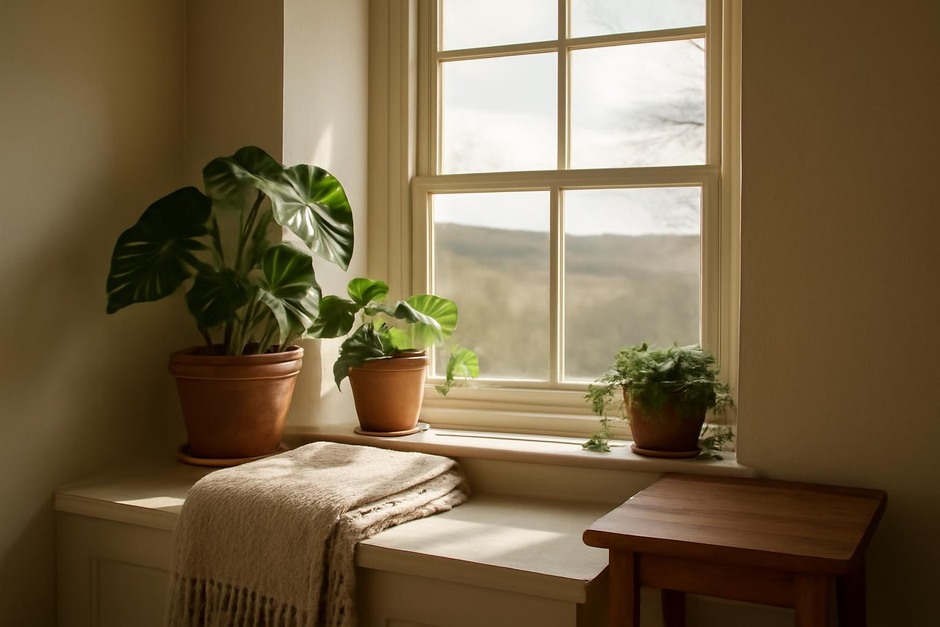
There is a particular hush in a sunlit corner of a house: a place where light falls in the same way every afternoon and small domestic tasks gather around it. That quiet is not merely aesthetic. The glass that frames those moments is the product of technological and social shifts that altered how people used their homes. Tracing that history helps us see how to work with light today—whether for growing, drying, preserving, or simply creating a peaceful household ritual.
From small panes to expansive light: a brief history of domestic glass
For much of human history, windows were small openings covered with oiled cloth, shuttered wood, or translucent slices of thin stone. Large sheets of clear glass were a late luxury. As glassmaking methods improved in Europe from the late Middle Ages through the 18th and 19th centuries, larger and clearer panes became more affordable. The sash window, plate glass, and mass-produced panes gradually transformed façades and interiors.
That technical change had social consequences. Glass brought predictable light and warmth into rooms, extended the gardening season indoors, and enabled intentional uses of sunlit spots. Wealthy households first experimented with orangeries and conservatories—glazed spaces dedicated to tender plants and leisure. In time, simpler homes found their own ways to make use of bright windowsills and recessed nooks.
The window as microclimate: how light and glass shape domestic ecology
Glass does two practical things for a corner of a room: it admits solar radiation and creates a barrier to wind and cold. Together these create a microclimate—a small area with temperature and humidity conditions different from the rest of the house or garden. Historically, people exploited these microclimates to overwinter citrus, nurse potted plants, and dry botanical materials.
Today, even without a conservatory, the same principles apply. South- or east-facing windows collect morning and midday warmth; west-facing windows give extended afternoon sun; north-facing windows provide cool, bright light. Recognizing a window’s orientation and the way it heats through the day helps decide what to place there: tender seedlings, drying herbs, or a reading chair where textiles can gently air.
Domestic rituals born of light: drying, storing, and slow work
Across cultures, sunlit corners have anchored household practices. Before modern appliances, families used warm windows to dry laundry, wilt and cure leaves for infusions and spices, and dry flowers for decoration. Conservatories and windowed lobbies were places for mending, reading, and socializing—activities that benefited from steady light and warmth.
Bringing that history into present practice does not require elaborate fittings. Simple rituals rooted in light can slow daily life and increase resourcefulness: hang clipped herbs in small bundles from a peg near a bright window; lay washed linens over a chair to air in late morning light; place fermenting jars where they will experience gentle daytime warmth rather than sharp temperature swings. These are modest acts, but they echo centuries of household knowledge about working with light.
Practical design and care for a sunlit corner today
Turning a window into a useful, enduring spot benefits from a few practical choices informed by history and by the specifics of modern homes.
- Assess orientation and heat: Note how the light moves and whether the sill becomes hot. Use the warmest sills for heat-loving seedlings and the gentler light for delicate herbs and houseplants.
- Create layers: Add a small shelf, a low table, or hanging hooks to increase usable space. Historically, orangeries used tiered staging for plants; the same idea works for modest windowsills.
- Manage humidity and airflow: Avoid placing items directly against cold panes in winter. Provide occasional ventilation to prevent mould when drying botanicals—an open window for an hour or a small fan on low can mimic the light breeze that older homes enjoyed.
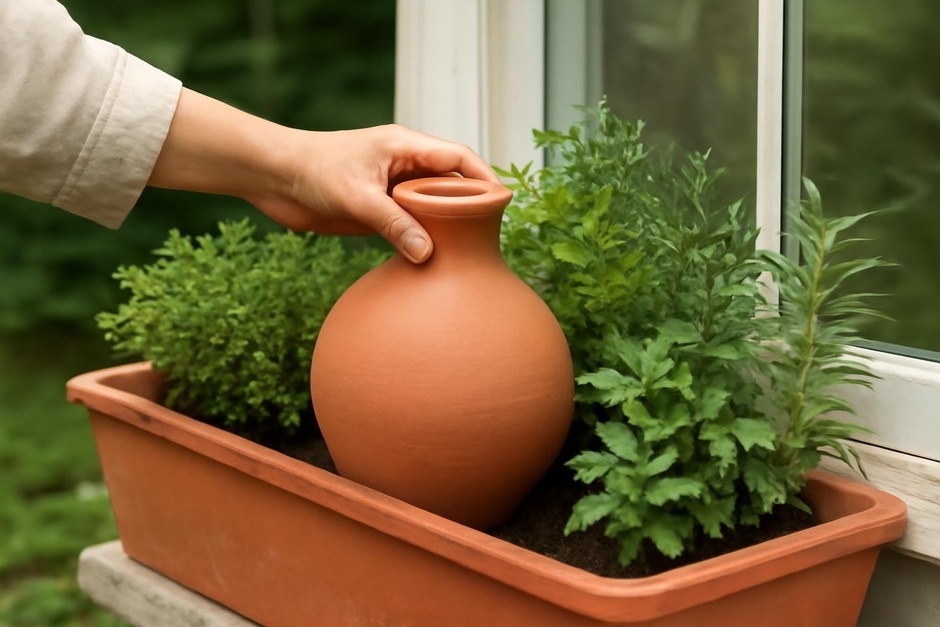
- Select multipurpose objects: Choose baskets, trays, and ceramic bowls that serve seasonal tasks—seed sorting, herb bunching, small repairs—so the corner shifts naturally with the year.
- Preserve surfaces: Use saucers beneath pots and a washable runner along sills to protect paint and wood—simple care that keeps a window nook useful for decades.
These practical steps make the most of a window’s qualities without demanding specialized equipment. They build on a long tradition of households shaping their surroundings to suit light and life.
Conclusion
Windows changed homes not only by letting in light, but by creating conditions that encouraged new domestic habits. From orangeries to ordinary sills, people adapted these brighter corners for growing, drying, resting, and working. Today, understanding that history helps us use sunlit spaces with intention: arranging for seasonal needs, establishing small rituals, and caring for the materials and plants that thrive there. The result is less a dramatic innovation than a slow continuation of household practice—one that makes daily life a little more attuned to the particular warmth of a winter afternoon or the steady glow of an early summer morning.